A world that reacts.
Your campaign tool decides what happened. Crowdsim says what people would say about it: the comments under the ad, why most people scrolled past, what the client thinks. Informed by this week's public conversation, with the sources to check, and labelled simulated every time.
Built in the classroom. Opening to more. Practice, not prediction.
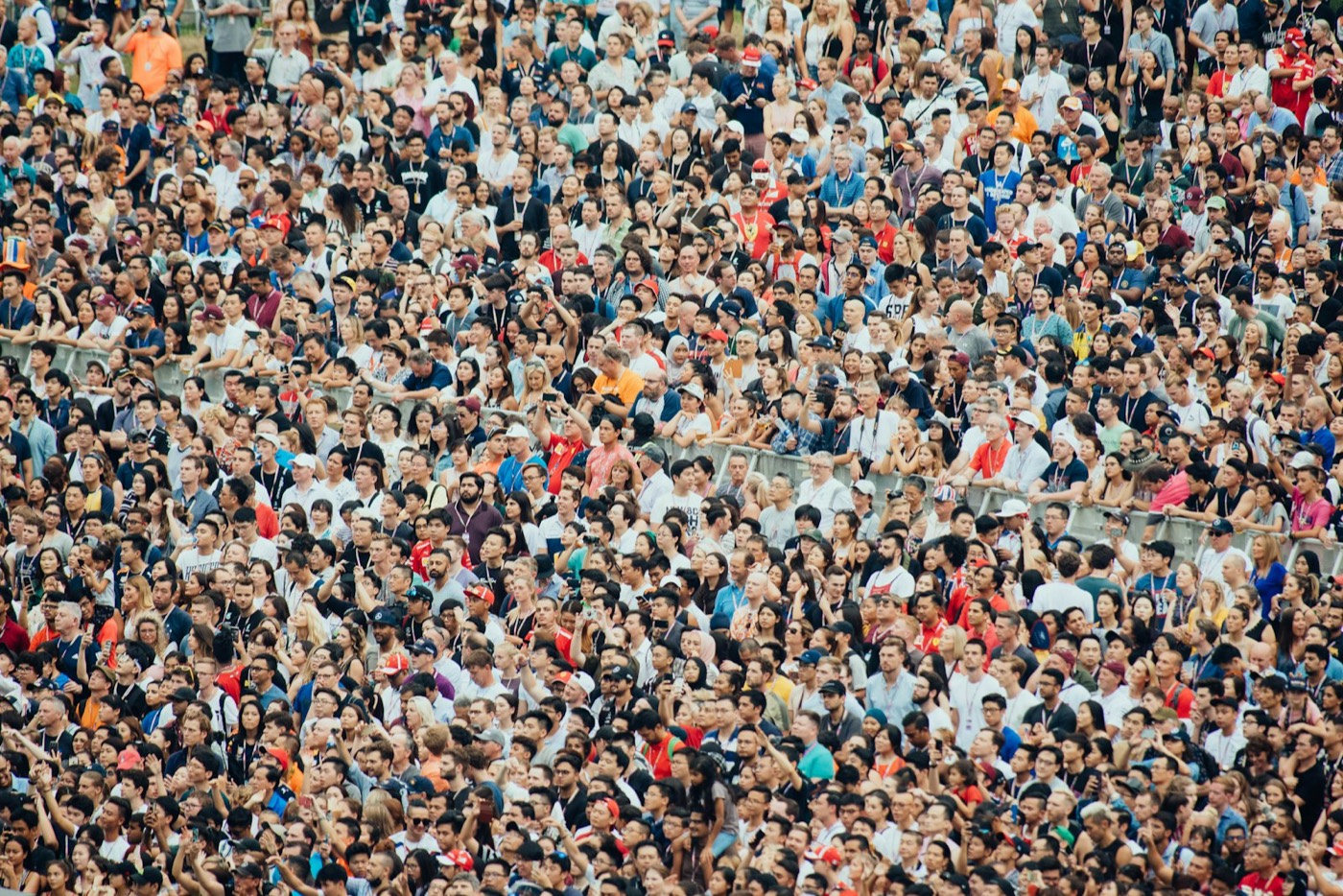 Every dot is a person. Every person has an opinion.
A rushed first ad, and what came back.
A student ran one month of a default campaign: everyone in Canada, a stock product photo, "premium dog food for happy, healthy dogs". The campaign simulator produced the inputs. Crowdsim produced everything below them.

These numbers come from the caller's own engine. Crowdsim never changes a number.
- "Happy, healthy dogs" is what every dog food says, so nothing here told me why this one's different.
- No price, no deal, no idea if it's even Canadian, so I kept scrolling.
- I have cats, and it's just a bag and a bowl anyway.
The world learns from the world, and reacts to you.
Three parts, kept apart on purpose.
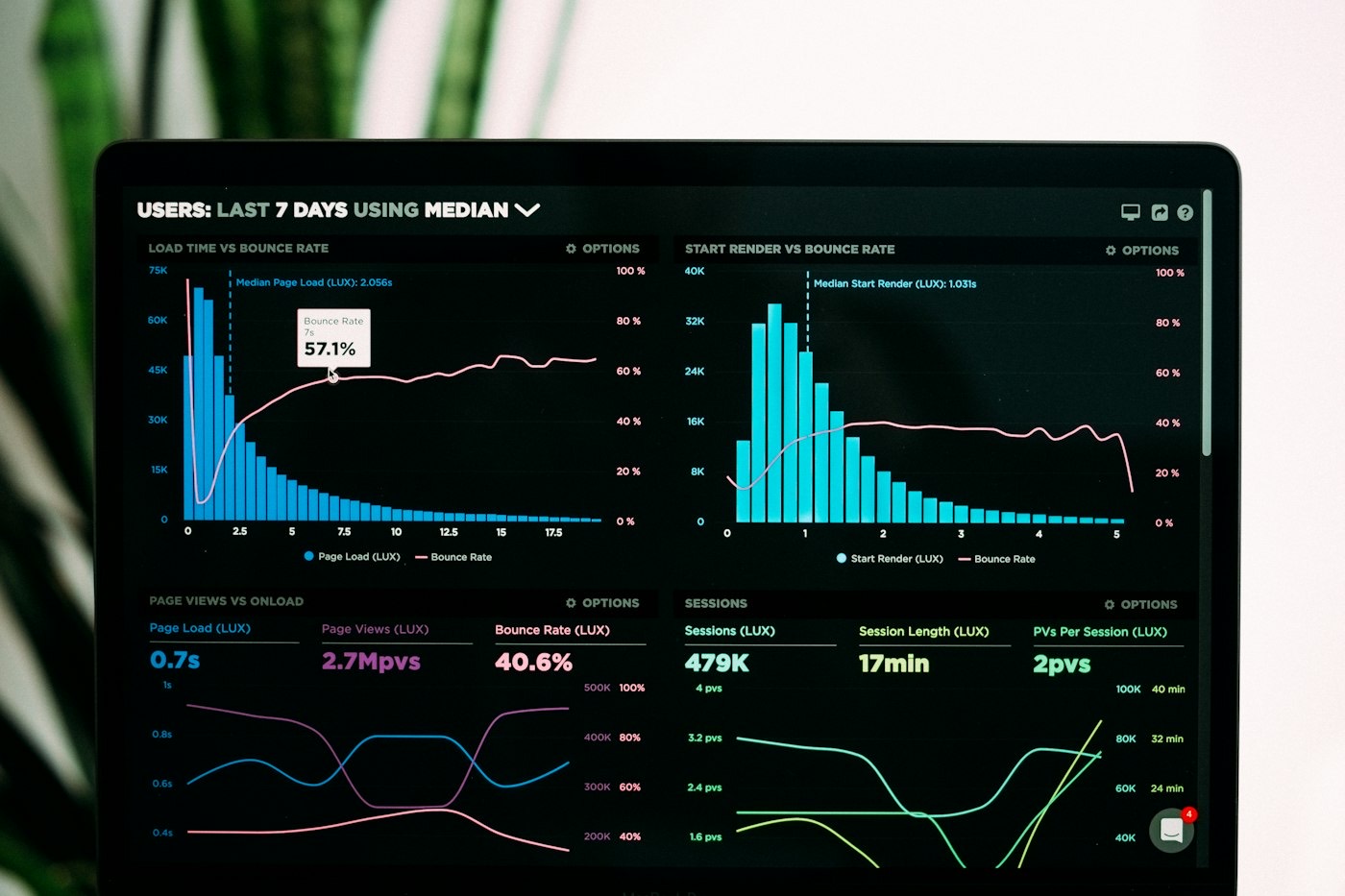

Nothing a user sends is ever training material. Worlds learn only from the pulse, from what customers say in public, and from real results a caller chooses to report. What students and trainees type gets a reaction, never a lesson.
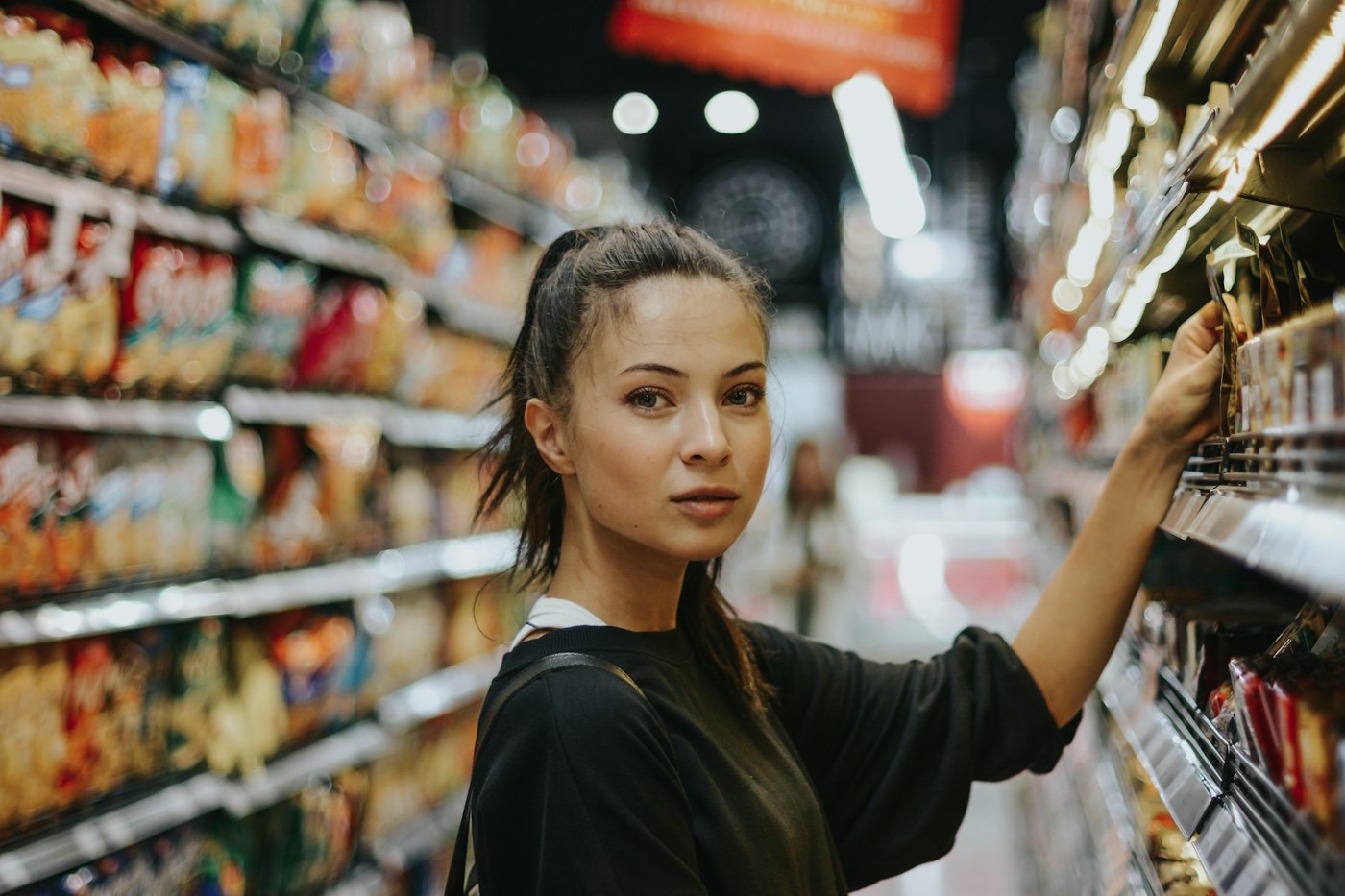
What the personas read this week.
Three of nine signals from the pet food world, 10 October 2026. Each dated to its own evidence, weighted for how much it should shape a reaction, and sourced.
Owners are cautious about price but still buying premium food
Pet Valu's same-store sales were flat; customers wait for promotions but keep spending on premium food. "How much?" comes early.
Buy Canadian is back since August, now argued on price
Counter-tariffs took effect 8 September; grocers brought back origin labels. "Is this Canadian?" is a live question.
The questions owners ask before they buy
Puppy or adult? Gluten? Live probiotics? Asked how high the protein is, the rival answered "a guaranteed minimum". Personas ask the same of any ad that doesn't answer.
One engine, any industry.
A world is a brief, a set of personas and a watch list. Bring your own client, or start from ours.

Early access, Winter 2027.
Crowdsim runs in a Canadian college classroom today and is opening its next worlds in January: new industries, new clients, and the first cohorts outside the course it was built in. If you teach, train or plan media and want a world of your own, leave an address and we'll write when yours is ready.